Art & Aid Project Namibia
Donkerbos, Namibia
SAN CERAMICS
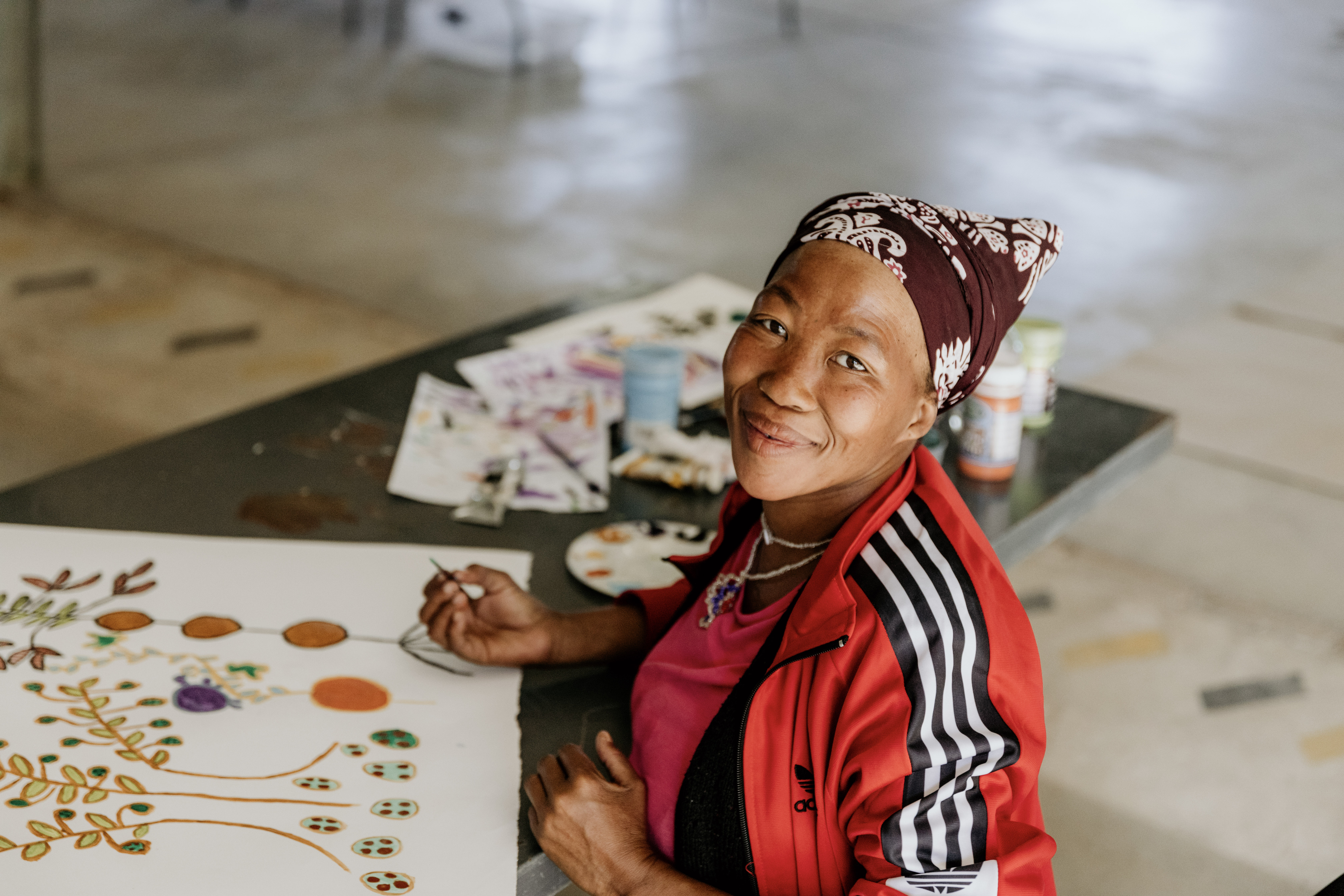
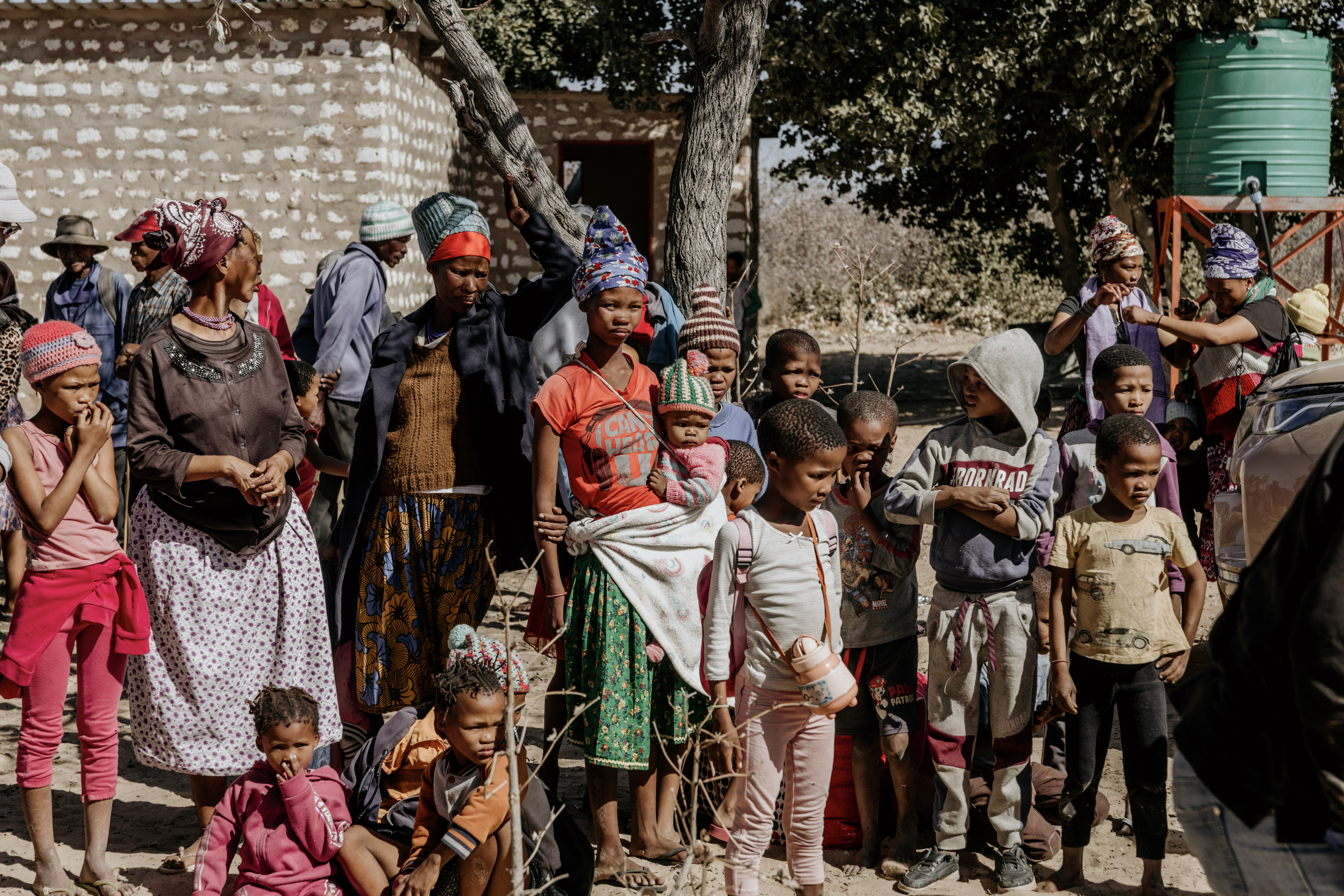
The indigenous San people live in the middle of the vast expanses of Namibia, in the Kalahari Desert. Their ancient traditions and cultural wealth are unique and worthy of protection. In this context, Markus Friesacher, the owner of Gmundner Keramik Manufaktur, launched a special project in 2022. It combines social support with the preservation of indigenous culture and art. At its heart is the collaboration between the San and Gmundner Keramik, which brings indigenous motifs into a new, artistic form.
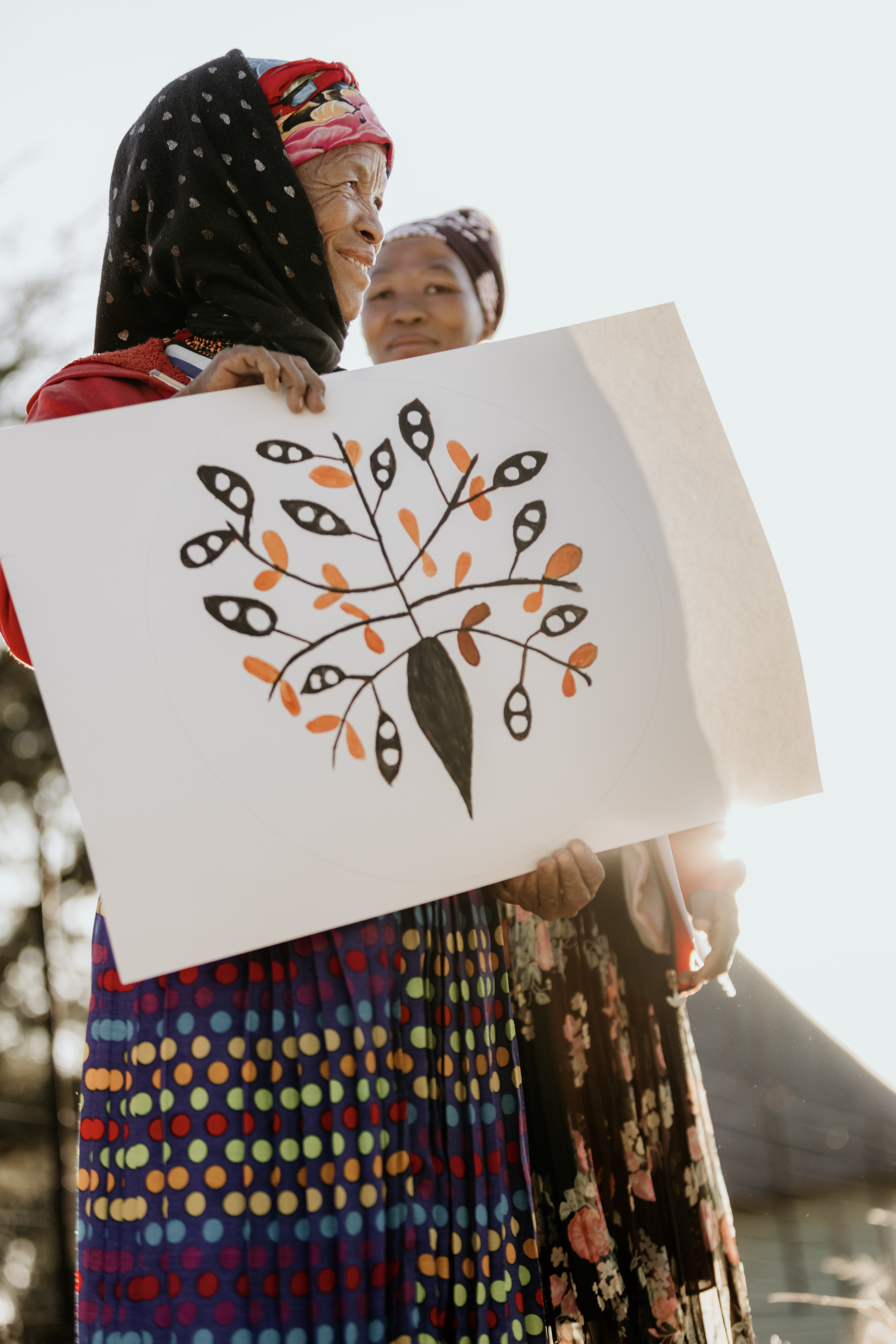
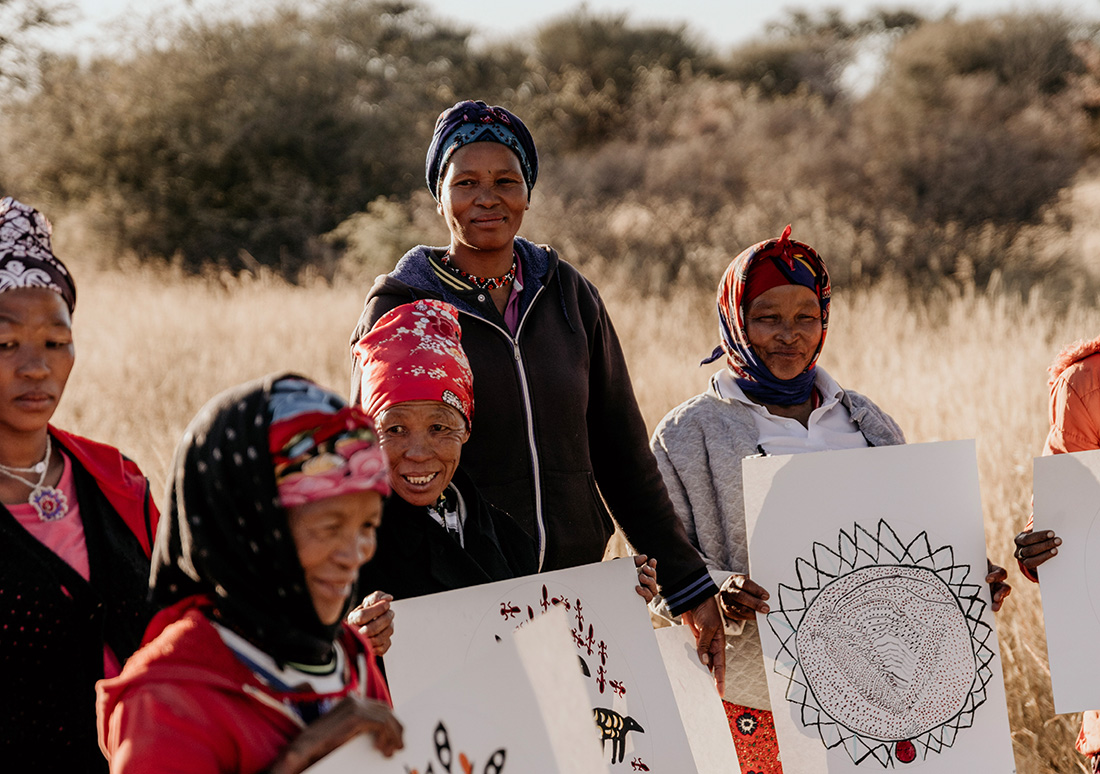
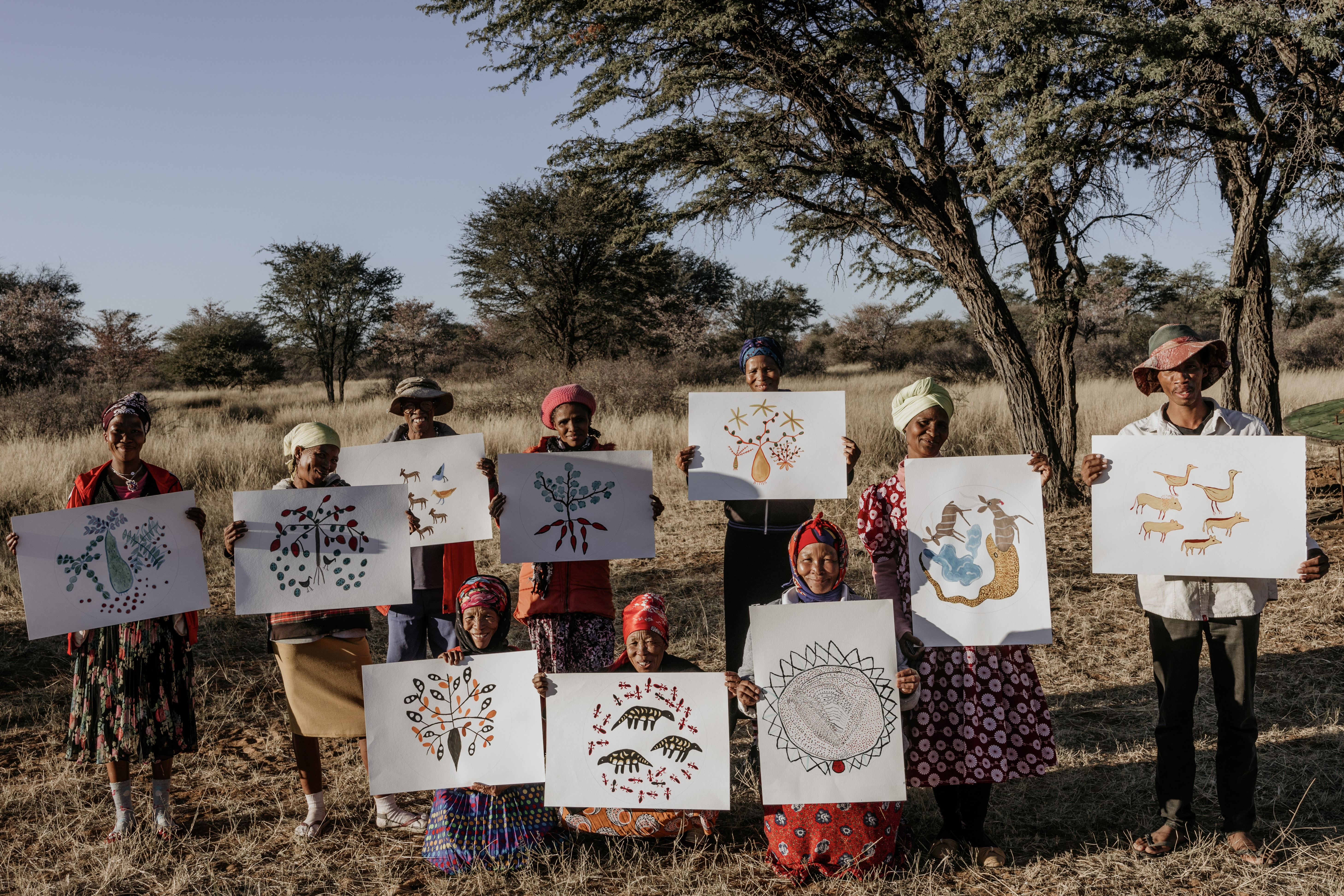
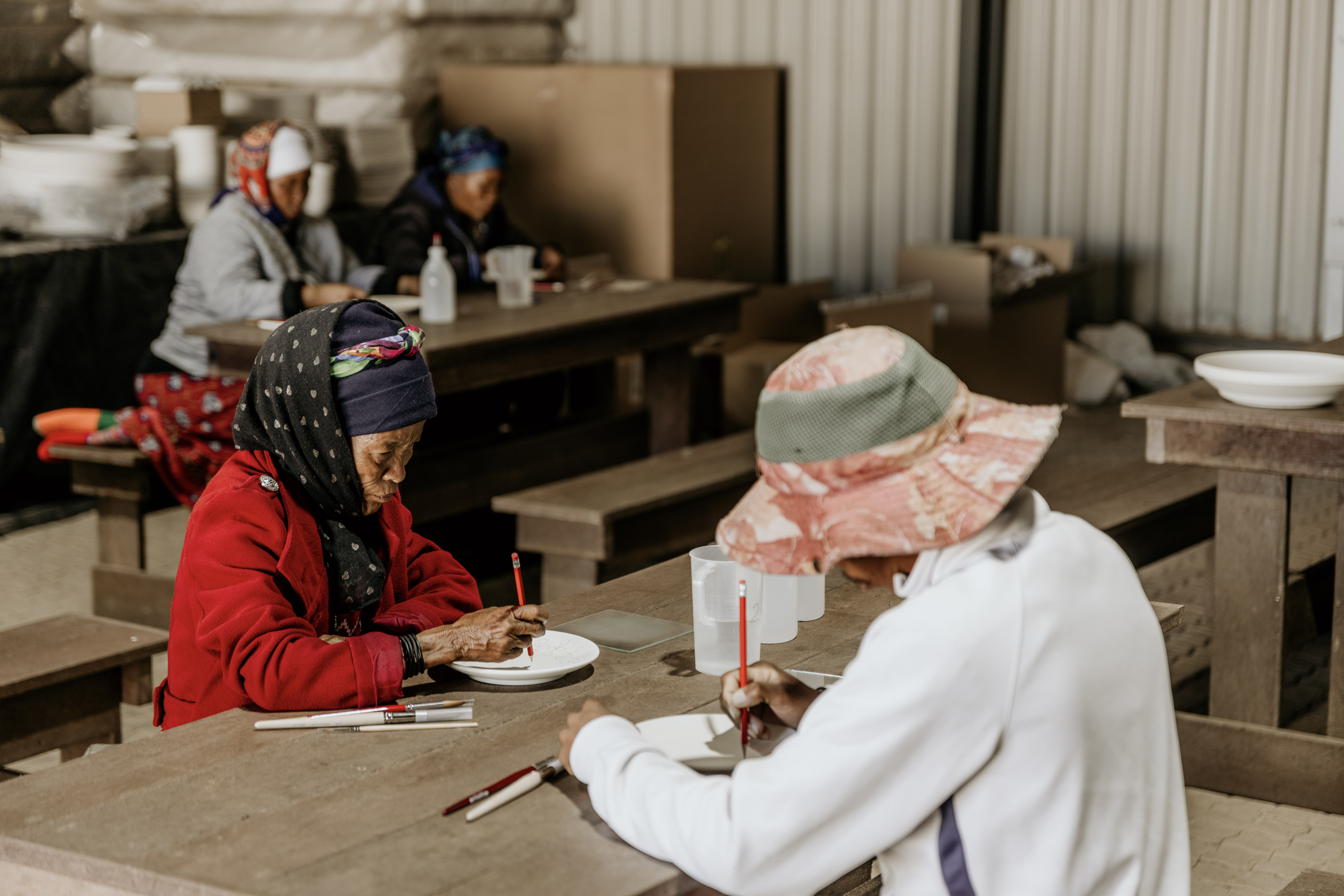
In several workshops in the Kalahari, San artists from the Donkerbos and Drimiopsis settlements created a series of designs on paper. These were then selected and completed on site using original Gmundner Keramik colours.
Each handmade ceramic piece in the SAN Edition by Gmundner Keramik is an expression of cultural appreciation and shows how art can serve as a medium of understanding and support. At the same time, the social dimension remains at the forefront: the San benefit from the proceeds and are given the opportunity to preserve their culture in the long term. "The Ceramics of the San" is thus more than just a symbol of artistic exchange – it embodies the power to give hope and keep traditions alive.
NEW: SAN Edition ELSE
NEW

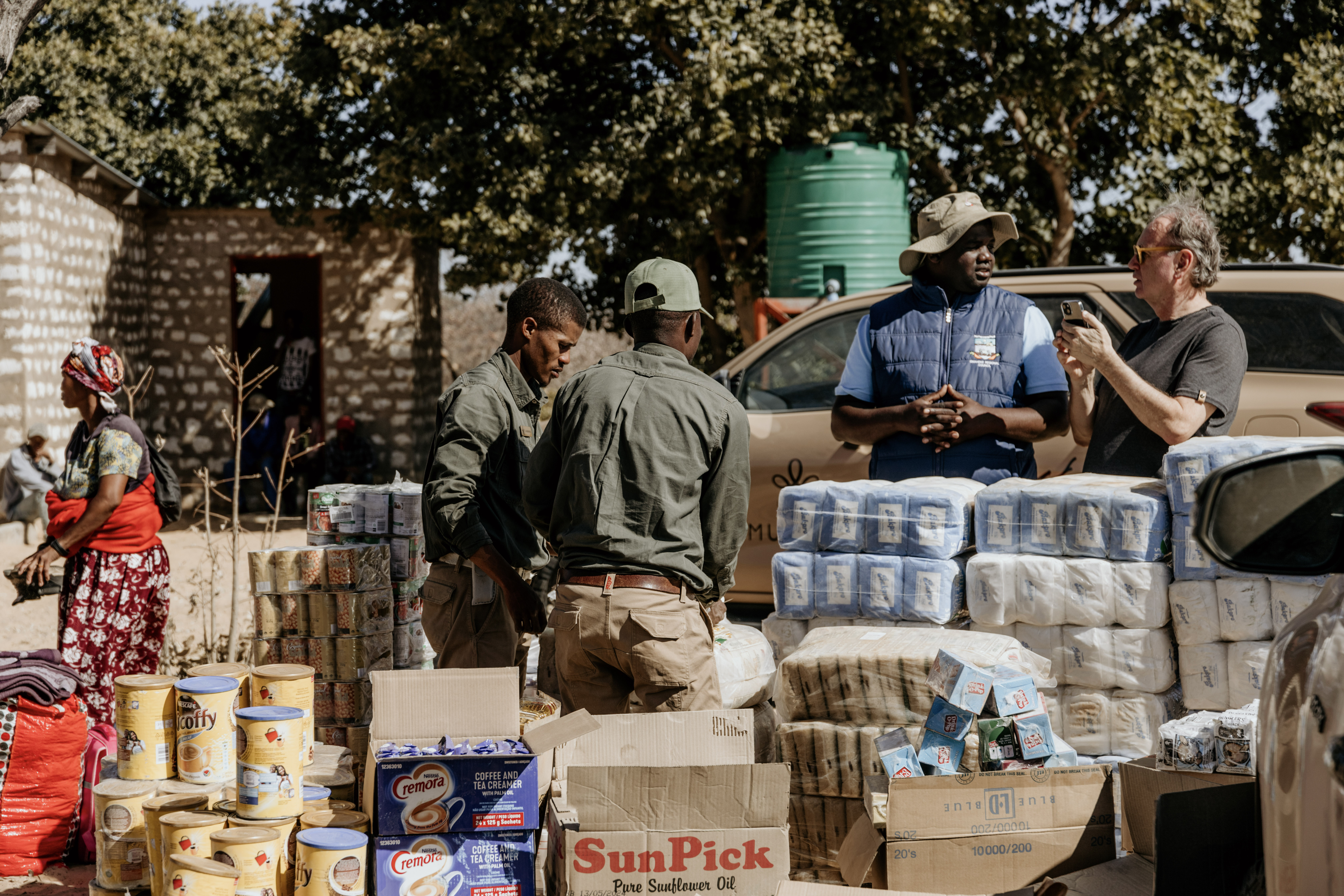
A long-standing connection to Namibia inspired the owner of Gmundner Keramik to initiate a unique art & aid project. An artistic exchange between Gmundner Keramik and the San, a collective term for some indigenous ethnic groups in southern Africa. In several workshops in the Kalahari, artists from the San from the settlements of Donkerbos and Drimiopsis created a number of drafts, which were at first put on paper and then painted on ceramics. All editions carry the name of the respective artist who created the original. With her design, artist Else Dam aimed to capture the untouched landscape and natural colours of her homeland. Else holds honourable values close to her heart, which she expresses through the powerful symbol of the heart in her work. The fine grains of sand that shape the environment are also reflected in her design. Since this exchange, Gmundner Keramik supports the San both financially as well as with essential staple food and art supplies, to allow them to continue creating art as their main source of income.
NEW

A long-standing connection to Namibia inspired the owner of Gmundner Keramik to initiate a unique art & aid project. An artistic exchange between Gmundner Keramik and the San, a collective term for some indigenous ethnic groups in southern Africa. In several workshops in the Kalahari, artists from the San from the settlements of Donkerbos and Drimiopsis created a number of drafts, which were at first put on paper and then painted on ceramics. All editions carry the name of the respective artist who created the original. With her design, artist Else Dam aimed to capture the untouched landscape and natural colours of her homeland. Else holds honourable values close to her heart, which she expresses through the powerful symbol of the heart in her work. The fine grains of sand that shape the environment are also reflected in her design. Since this exchange, Gmundner Keramik supports the San both financially as well as with essential staple food and art supplies, to allow them to continue creating art as their main source of income.
NEW

A long-standing connection to Namibia inspired the owner of Gmundner Keramik to initiate a unique art & aid project. An artistic exchange between Gmundner Keramik and the San, a collective term for some indigenous ethnic groups in southern Africa. In several workshops in the Kalahari, artists from the San from the settlements of Donkerbos and Drimiopsis created a number of drafts, which were at first put on paper and then painted on ceramics. All editions carry the name of the respective artist who created the original. With her design, artist Else Dam aimed to capture the untouched landscape and natural colours of her homeland. Else holds honourable values close to her heart, which she expresses through the powerful symbol of the heart in her work. The fine grains of sand that shape the environment are also reflected in her design. Since this exchange, Gmundner Keramik supports the San both financially as well as with essential staple food and art supplies, to allow them to continue creating art as their main source of income.
NEW

A long-standing connection to Namibia inspired the owner of Gmundner Keramik to initiate a unique art & aid project. An artistic exchange between Gmundner Keramik and the San, a collective term for some indigenous ethnic groups in southern Africa. In several workshops in the Kalahari, artists from the San from the settlements of Donkerbos and Drimiopsis created a number of drafts, which were at first put on paper and then painted on ceramics. All editions carry the name of the respective artist who created the original. With her design, artist Else Dam aimed to capture the untouched landscape and natural colours of her homeland. Else holds honourable values close to her heart, which she expresses through the powerful symbol of the heart in her work. The fine grains of sand that shape the environment are also reflected in her design. Since this exchange, Gmundner Keramik supports the San both financially as well as with essential staple food and art supplies, to allow them to continue creating art as their main source of income.
NEW

A long-standing connection to Namibia inspired the owner of Gmundner Keramik to initiate a unique art & aid project. An artistic exchange between Gmundner Keramik and the San, a collective term for some indigenous ethnic groups in southern Africa. In several workshops in the Kalahari, artists from the San from the settlements of Donkerbos and Drimiopsis created a number of drafts, which were at first put on paper and then painted on ceramics. All editions carry the name of the respective artist who created the original. With her design, artist Else Dam aimed to capture the untouched landscape and natural colours of her homeland. Else holds honourable values close to her heart, which she expresses through the powerful symbol of the heart in her work. The fine grains of sand that shape the environment are also reflected in her design. Since this exchange, Gmundner Keramik supports the San both financially as well as with essential staple food and art supplies, to allow them to continue creating art as their main source of income.
NEW

A long-standing connection to Namibia inspired the owner of Gmundner Keramik to initiate a unique art & aid project. An artistic exchange between Gmundner Keramik and the San, a collective term for some indigenous ethnic groups in southern Africa. In several workshops in the Kalahari, artists from the San from the settlements of Donkerbos and Drimiopsis created a number of drafts, which were at first put on paper and then painted on ceramics. All editions carry the name of the respective artist who created the original. With her design, artist Else Dam aimed to capture the untouched landscape and natural colours of her homeland. Else holds honourable values close to her heart, which she expresses through the powerful symbol of the heart in her work. The fine grains of sand that shape the environment are also reflected in her design. Since this exchange, Gmundner Keramik supports the San both financially as well as with essential staple food and art supplies, to allow them to continue creating art as their main source of income.
NEW

A long-standing connection to Namibia inspired the owner of Gmundner Keramik to initiate a unique art & aid project. An artistic exchange between Gmundner Keramik and the San, a collective term for some indigenous ethnic groups in southern Africa. In several workshops in the Kalahari, artists from the San from the settlements of Donkerbos and Drimiopsis created a number of drafts, which were at first put on paper and then painted on ceramics. All editions carry the name of the respective artist who created the original. With her design, artist Else Dam aimed to capture the untouched landscape and natural colours of her homeland. Else holds honourable values close to her heart, which she expresses through the powerful symbol of the heart in her work. The fine grains of sand that shape the environment are also reflected in her design. Since this exchange, Gmundner Keramik supports the San both financially as well as with essential staple food and art supplies, to allow them to continue creating art as their main source of income.
NEW

A long-standing connection to Namibia inspired the owner of Gmundner Keramik to initiate a unique art & aid project. An artistic exchange between Gmundner Keramik and the San, a collective term for some indigenous ethnic groups in southern Africa. In several workshops in the Kalahari, artists from the San from the settlements of Donkerbos and Drimiopsis created a number of drafts, which were at first put on paper and then painted on ceramics. All editions carry the name of the respective artist who created the original. With her design, artist Else Dam aimed to capture the untouched landscape and natural colours of her homeland. Else holds honourable values close to her heart, which she expresses through the powerful symbol of the heart in her work. The fine grains of sand that shape the environment are also reflected in her design. Since this exchange, Gmundner Keramik supports the San both financially as well as with essential staple food and art supplies, to allow them to continue creating art as their main source of income.
NEW

A long-standing connection to Namibia inspired the owner of Gmundner Keramik to initiate a unique art & aid project. An artistic exchange between Gmundner Keramik and the San, a collective term for some indigenous ethnic groups in southern Africa. In several workshops in the Kalahari, artists from the San from the settlements of Donkerbos and Drimiopsis created a number of drafts, which were at first put on paper and then painted on ceramics. All editions carry the name of the respective artist who created the original. With her design, artist Else Dam aimed to capture the untouched landscape and natural colours of her homeland. Else holds honourable values close to her heart, which she expresses through the powerful symbol of the heart in her work. The fine grains of sand that shape the environment are also reflected in her design. Since this exchange, Gmundner Keramik supports the San both financially as well as with essential staple food and art supplies, to allow them to continue creating art as their main source of income.
NEW

A long-standing connection to Namibia inspired the owner of Gmundner Keramik to initiate a unique art & aid project. An artistic exchange between Gmundner Keramik and the San, a collective term for some indigenous ethnic groups in southern Africa. In several workshops in the Kalahari, artists from the San from the settlements of Donkerbos and Drimiopsis created a number of drafts, which were at first put on paper and then painted on ceramics. All editions carry the name of the respective artist who created the original. With her design, artist Else Dam aimed to capture the untouched landscape and natural colours of her homeland. Else holds honourable values close to her heart, which she expresses through the powerful symbol of the heart in her work. The fine grains of sand that shape the environment are also reflected in her design. Since this exchange, Gmundner Keramik supports the San both financially as well as with essential staple food and art supplies, to allow them to continue creating art as their main source of income.
SAN Edition KOVA

A long-standing connection to Namibia inspired the owner of Gmundner Keramik to initiate a unique art & aid project. An artistic exchange between Gmundner Keramik and the San, a collective term for some indigenous ethnic groups in southern Africa. In several workshops in the Kalahari, artists from the San from the settlements of Donkerbos and Drimiopsis created a number of drafts, which were at first put on paper and then painted on ceramics. The painters from Gmundner Keramik took these drafts as inspiration for some colourful designs and created the San Edition. All editions carry the name of the respective artist who created the original. Since this exchange, Gmundner Keramik supports the San both financially as well as with essential staple food and art supplies, to allow them to continue creating art as their main source of income.

A long-standing connection to Namibia inspired the owner of Gmundner Keramik to initiate a unique art & aid project. An artistic exchange between Gmundner Keramik and the San, a collective term for some indigenous ethnic groups in southern Africa. In several workshops in the Kalahari, artists from the San from the settlements of Donkerbos and Drimiopsis created a number of drafts, which were at first put on paper and then painted on ceramics. The painters from Gmundner Keramik took these drafts as inspiration for some colourful designs and created the San Edition. All editions carry the name of the respective artist who created the original. Since this exchange, Gmundner Keramik supports the San both financially as well as with essential staple food and art supplies, to allow them to continue creating art as their main source of income.

A long-standing connection to Namibia inspired the owner of Gmundner Keramik to initiate a unique art & aid project. An artistic exchange between Gmundner Keramik and the San, a collective term for some indigenous ethnic groups in southern Africa. In several workshops in the Kalahari, artists from the San from the settlements of Donkerbos and Drimiopsis created a number of drafts, which were at first put on paper and then painted on ceramics. The painters from Gmundner Keramik took these drafts as inspiration for some colourful designs and created the San Edition. All editions carry the name of the respective artist who created the original. Since this exchange, Gmundner Keramik supports the San both financially as well as with essential staple food and art supplies, to allow them to continue creating art as their main source of income.

A long-standing connection to Namibia inspired the owner of Gmundner Keramik to initiate a unique art & aid project. An artistic exchange between Gmundner Keramik and the San, a collective term for some indigenous ethnic groups in southern Africa. In several workshops in the Kalahari, artists from the San from the settlements of Donkerbos and Drimiopsis created a number of drafts, which were at first put on paper and then painted on ceramics. The painters from Gmundner Keramik took these drafts as inspiration for some colourful designs and created the San Edition. All editions carry the name of the respective artist who created the original. Since this exchange, Gmundner Keramik supports the San both financially as well as with essential staple food and art supplies, to allow them to continue creating art as their main source of income.

A long-standing connection to Namibia inspired the owner of Gmundner Keramik to initiate a unique art & aid project. An artistic exchange between Gmundner Keramik and the San, a collective term for some indigenous ethnic groups in southern Africa. In several workshops in the Kalahari, artists from the San from the settlements of Donkerbos and Drimiopsis created a number of drafts, which were at first put on paper and then painted on ceramics. The painters from Gmundner Keramik took these drafts as inspiration for some colourful designs and created the San Edition. All editions carry the name of the respective artist who created the original. Since this exchange, Gmundner Keramik supports the San both financially as well as with essential staple food and art supplies, to allow them to continue creating art as their main source of income.

A long-standing connection to Namibia inspired the owner of Gmundner Keramik to initiate a unique art & aid project. An artistic exchange between Gmundner Keramik and the San, a collective term for some indigenous ethnic groups in southern Africa. In several workshops in the Kalahari, artists from the San from the settlements of Donkerbos and Drimiopsis created a number of drafts, which were at first put on paper and then painted on ceramics. The painters from Gmundner Keramik took these drafts as inspiration for some colourful designs and created the San Edition. All editions carry the name of the respective artist who created the original. Since this exchange, Gmundner Keramik supports the San both financially as well as with essential staple food and art supplies, to allow them to continue creating art as their main source of income.

A long-standing connection to Namibia inspired the owner of Gmundner Keramik to initiate a unique art & aid project. An artistic exchange between Gmundner Keramik and the San, a collective term for some indigenous ethnic groups in southern Africa. In several workshops in the Kalahari, artists from the San from the settlements of Donkerbos and Drimiopsis created a number of drafts, which were at first put on paper and then painted on ceramics. The painters from Gmundner Keramik took these drafts as inspiration for some colourful designs and created the San Edition. All editions carry the name of the respective artist who created the original. Since this exchange, Gmundner Keramik supports the San both financially as well as with essential staple food and art supplies, to allow them to continue creating art as their main source of income.

A long-standing connection to Namibia inspired the owner of Gmundner Keramik to initiate a unique art & aid project. An artistic exchange between Gmundner Keramik and the San, a collective term for some indigenous ethnic groups in southern Africa. In several workshops in the Kalahari, artists from the San from the settlements of Donkerbos and Drimiopsis created a number of drafts, which were at first put on paper and then painted on ceramics. The painters from Gmundner Keramik took these drafts as inspiration for some colourful designs and created the San Edition. All editions carry the name of the respective artist who created the original. Since this exchange, Gmundner Keramik supports the San both financially as well as with essential staple food and art supplies, to allow them to continue creating art as their main source of income.

A long-standing connection to Namibia inspired the owner of Gmundner Keramik to initiate a unique art & aid project. An artistic exchange between Gmundner Keramik and the San, a collective term for some indigenous ethnic groups in southern Africa. In several workshops in the Kalahari, artists from the San from the settlements of Donkerbos and Drimiopsis created a number of drafts, which were at first put on paper and then painted on ceramics. The painters from Gmundner Keramik took these drafts as inspiration for some colourful designs and created the San Edition. All editions carry the name of the respective artist who created the original. Since this exchange, Gmundner Keramik supports the San both financially as well as with essential staple food and art supplies, to allow them to continue creating art as their main source of income.

A long-standing connection to Namibia inspired the owner of Gmundner Keramik to initiate a unique art & aid project. An artistic exchange between Gmundner Keramik and the San, a collective term for some indigenous ethnic groups in southern Africa. In several workshops in the Kalahari, artists from the San from the settlements of Donkerbos and Drimiopsis created a number of drafts, which were at first put on paper and then painted on ceramics. The painters from Gmundner Keramik took these drafts as inspiration for some colourful designs and created the San Edition. All editions carry the name of the respective artist who created the original. Since this exchange, Gmundner Keramik supports the San both financially as well as with essential staple food and art supplies, to allow them to continue creating art as their main source of income.
SAN Edition AHITA

A long-standing connection to Namibia inspired the owner of Gmundner Keramik to initiate a unique art & aid project. An artistic exchange between Gmundner Keramik and the San, a collective term for some indigenous ethnic groups in southern Africa. In several workshops in the Kalahari, artists from the San from the settlements of Donkerbos and Drimiopsis created a number of drafts, which were at first put on paper and then painted on ceramics. The painters from Gmundner Keramik took these drafts as inspiration for some colourful designs and created the San Edition. All editions carry the name of the respective artist who created the original. Since this exchange, Gmundner Keramik supports the San both financially as well as with essential staple food and art supplies, to allow them to continue creating art as their main source of income.

A long-standing connection to Namibia inspired the owner of Gmundner Keramik to initiate a unique art & aid project. An artistic exchange between Gmundner Keramik and the San, a collective term for some indigenous ethnic groups in southern Africa. In several workshops in the Kalahari, artists from the San from the settlements of Donkerbos and Drimiopsis created a number of drafts, which were at first put on paper and then painted on ceramics. The painters from Gmundner Keramik took these drafts as inspiration for some colourful designs and created the San Edition. All editions carry the name of the respective artist who created the original. Since this exchange, Gmundner Keramik supports the San both financially as well as with essential staple food and art supplies, to allow them to continue creating art as their main source of income.

A long-standing connection to Namibia inspired the owner of Gmundner Keramik to initiate a unique art & aid project. An artistic exchange between Gmundner Keramik and the San, a collective term for some indigenous ethnic groups in southern Africa. In several workshops in the Kalahari, artists from the San from the settlements of Donkerbos and Drimiopsis created a number of drafts, which were at first put on paper and then painted on ceramics. The painters from Gmundner Keramik took these drafts as inspiration for some colourful designs and created the San Edition. All editions carry the name of the respective artist who created the original. Since this exchange, Gmundner Keramik supports the San both financially as well as with essential staple food and art supplies, to allow them to continue creating art as their main source of income.

A long-standing connection to Namibia inspired the owner of Gmundner Keramik to initiate a unique art & aid project. An artistic exchange between Gmundner Keramik and the San, a collective term for some indigenous ethnic groups in southern Africa. In several workshops in the Kalahari, artists from the San from the settlements of Donkerbos and Drimiopsis created a number of drafts, which were at first put on paper and then painted on ceramics. The painters from Gmundner Keramik took these drafts as inspiration for some colourful designs and created the San Edition. All editions carry the name of the respective artist who created the original. Since this exchange, Gmundner Keramik supports the San both financially as well as with essential staple food and art supplies, to allow them to continue creating art as their main source of income.

A long-standing connection to Namibia inspired the owner of Gmundner Keramik to initiate a unique art & aid project. An artistic exchange between Gmundner Keramik and the San, a collective term for some indigenous ethnic groups in southern Africa. In several workshops in the Kalahari, artists from the San from the settlements of Donkerbos and Drimiopsis created a number of drafts, which were at first put on paper and then painted on ceramics. The painters from Gmundner Keramik took these drafts as inspiration for some colourful designs and created the San Edition. All editions carry the name of the respective artist who created the original. Since this exchange, Gmundner Keramik supports the San both financially as well as with essential staple food and art supplies, to allow them to continue creating art as their main source of income.

A long-standing connection to Namibia inspired the owner of Gmundner Keramik to initiate a unique art & aid project. An artistic exchange between Gmundner Keramik and the San, a collective term for some indigenous ethnic groups in southern Africa. In several workshops in the Kalahari, artists from the San from the settlements of Donkerbos and Drimiopsis created a number of drafts, which were at first put on paper and then painted on ceramics. The painters from Gmundner Keramik took these drafts as inspiration for some colourful designs and created the San Edition. All editions carry the name of the respective artist who created the original. Since this exchange, Gmundner Keramik supports the San both financially as well as with essential staple food and art supplies, to allow them to continue creating art as their main source of income.

A long-standing connection to Namibia inspired the owner of Gmundner Keramik to initiate a unique art & aid project. An artistic exchange between Gmundner Keramik and the San, a collective term for some indigenous ethnic groups in southern Africa. In several workshops in the Kalahari, artists from the San from the settlements of Donkerbos and Drimiopsis created a number of drafts, which were at first put on paper and then painted on ceramics. The painters from Gmundner Keramik took these drafts as inspiration for some colourful designs and created the San Edition. All editions carry the name of the respective artist who created the original. Since this exchange, Gmundner Keramik supports the San both financially as well as with essential staple food and art supplies, to allow them to continue creating art as their main source of income.

A long-standing connection to Namibia inspired the owner of Gmundner Keramik to initiate a unique art & aid project. An artistic exchange between Gmundner Keramik and the San, a collective term for some indigenous ethnic groups in southern Africa. In several workshops in the Kalahari, artists from the San from the settlements of Donkerbos and Drimiopsis created a number of drafts, which were at first put on paper and then painted on ceramics. The painters from Gmundner Keramik took these drafts as inspiration for some colourful designs and created the San Edition. All editions carry the name of the respective artist who created the original. Since this exchange, Gmundner Keramik supports the San both financially as well as with essential staple food and art supplies, to allow them to continue creating art as their main source of income.

A long-standing connection to Namibia inspired the owner of Gmundner Keramik to initiate a unique art & aid project. An artistic exchange between Gmundner Keramik and the San, a collective term for some indigenous ethnic groups in southern Africa. In several workshops in the Kalahari, artists from the San from the settlements of Donkerbos and Drimiopsis created a number of drafts, which were at first put on paper and then painted on ceramics. The painters from Gmundner Keramik took these drafts as inspiration for some colourful designs and created the San Edition. All editions carry the name of the respective artist who created the original. Since this exchange, Gmundner Keramik supports the San both financially as well as with essential staple food and art supplies, to allow them to continue creating art as their main source of income.

A long-standing connection to Namibia inspired the owner of Gmundner Keramik to initiate a unique art & aid project. An artistic exchange between Gmundner Keramik and the San, a collective term for some indigenous ethnic groups in southern Africa. In several workshops in the Kalahari, artists from the San from the settlements of Donkerbos and Drimiopsis created a number of drafts, which were at first put on paper and then painted on ceramics. The painters from Gmundner Keramik took these drafts as inspiration for some colourful designs and created the San Edition. All editions carry the name of the respective artist who created the original. Since this exchange, Gmundner Keramik supports the San both financially as well as with essential staple food and art supplies, to allow them to continue creating art as their main source of income.